


.tmb-250x190.jpg?sfvrsn=607438b5_1)


Veski residences in Tartu, Estonia
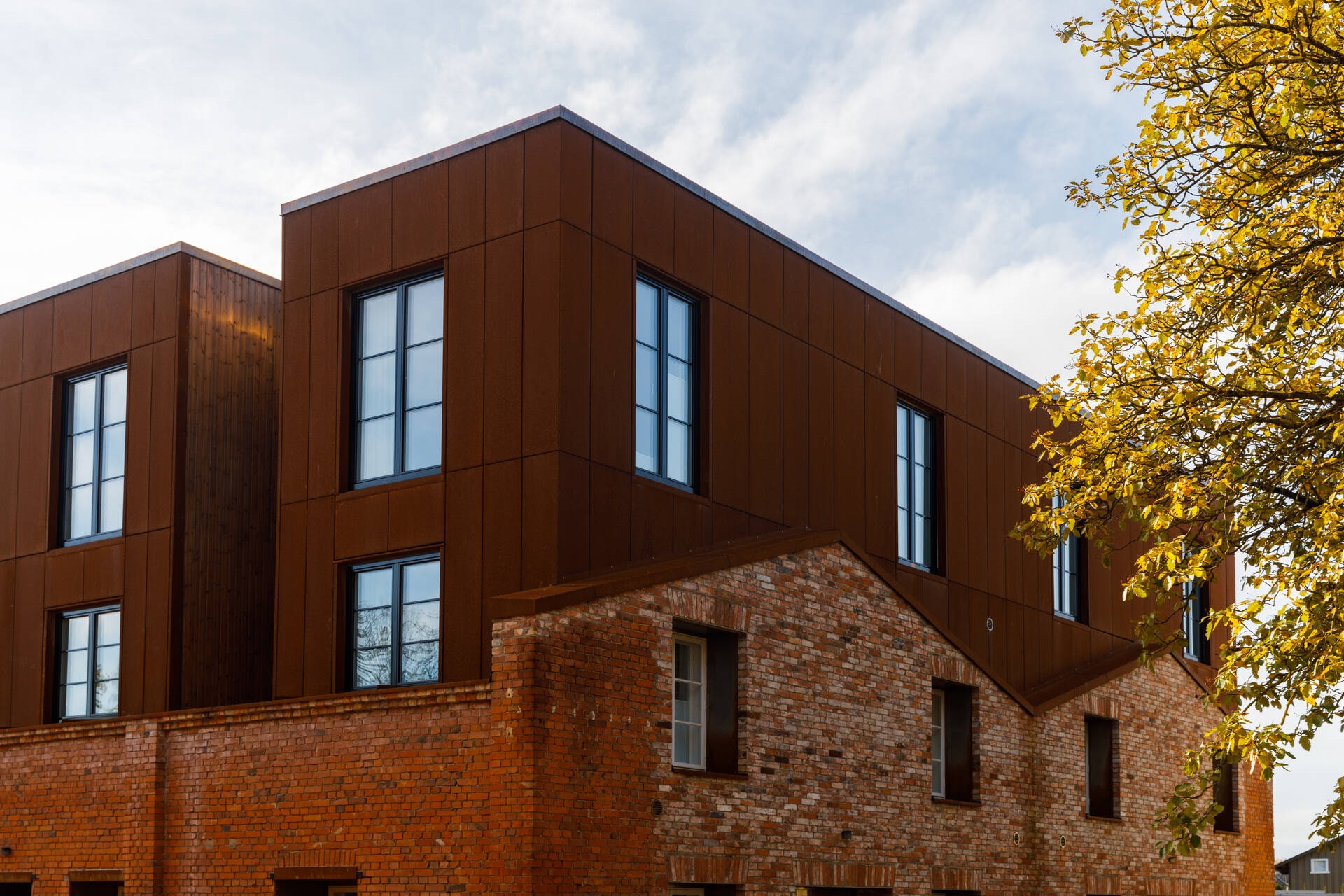
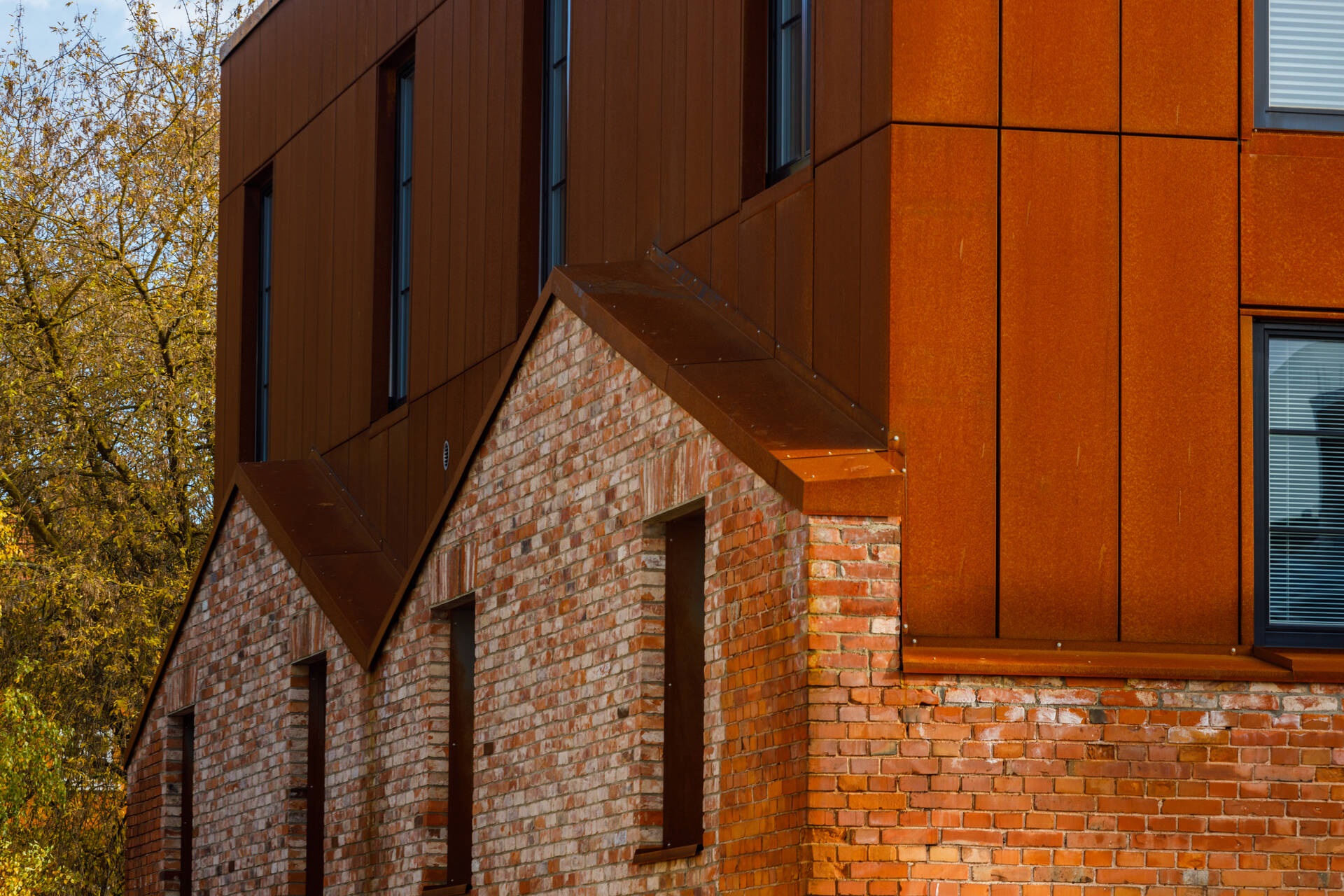
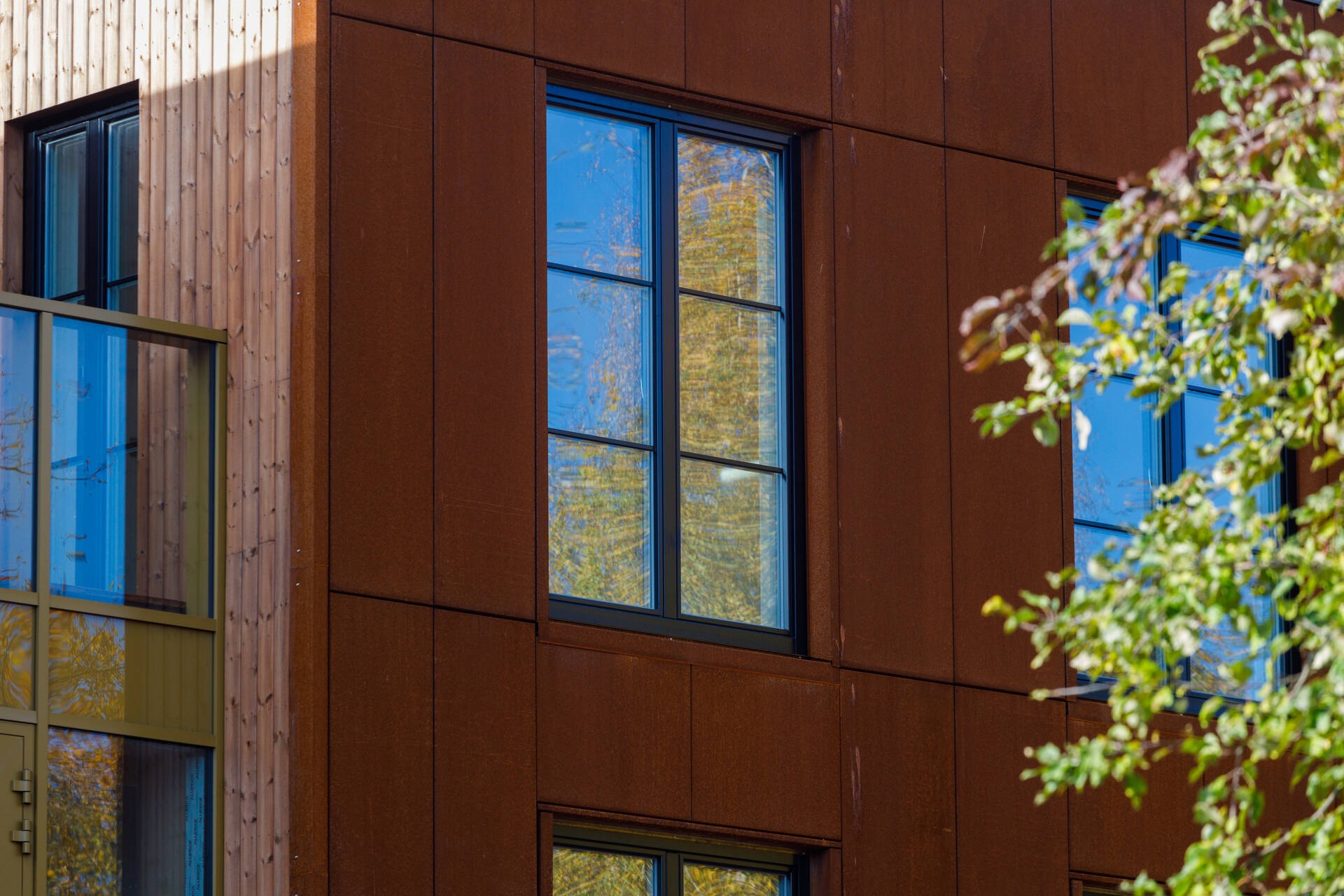
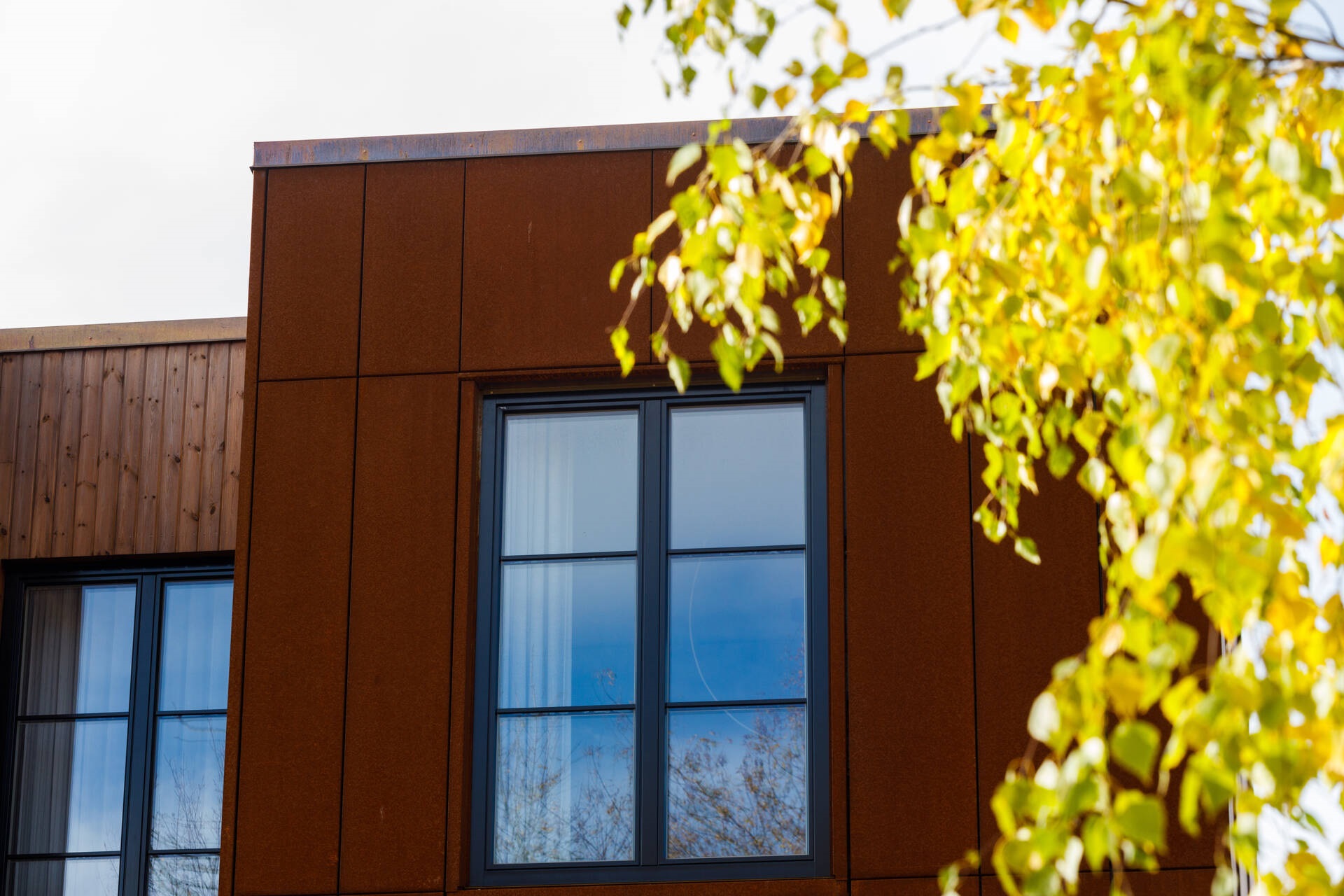
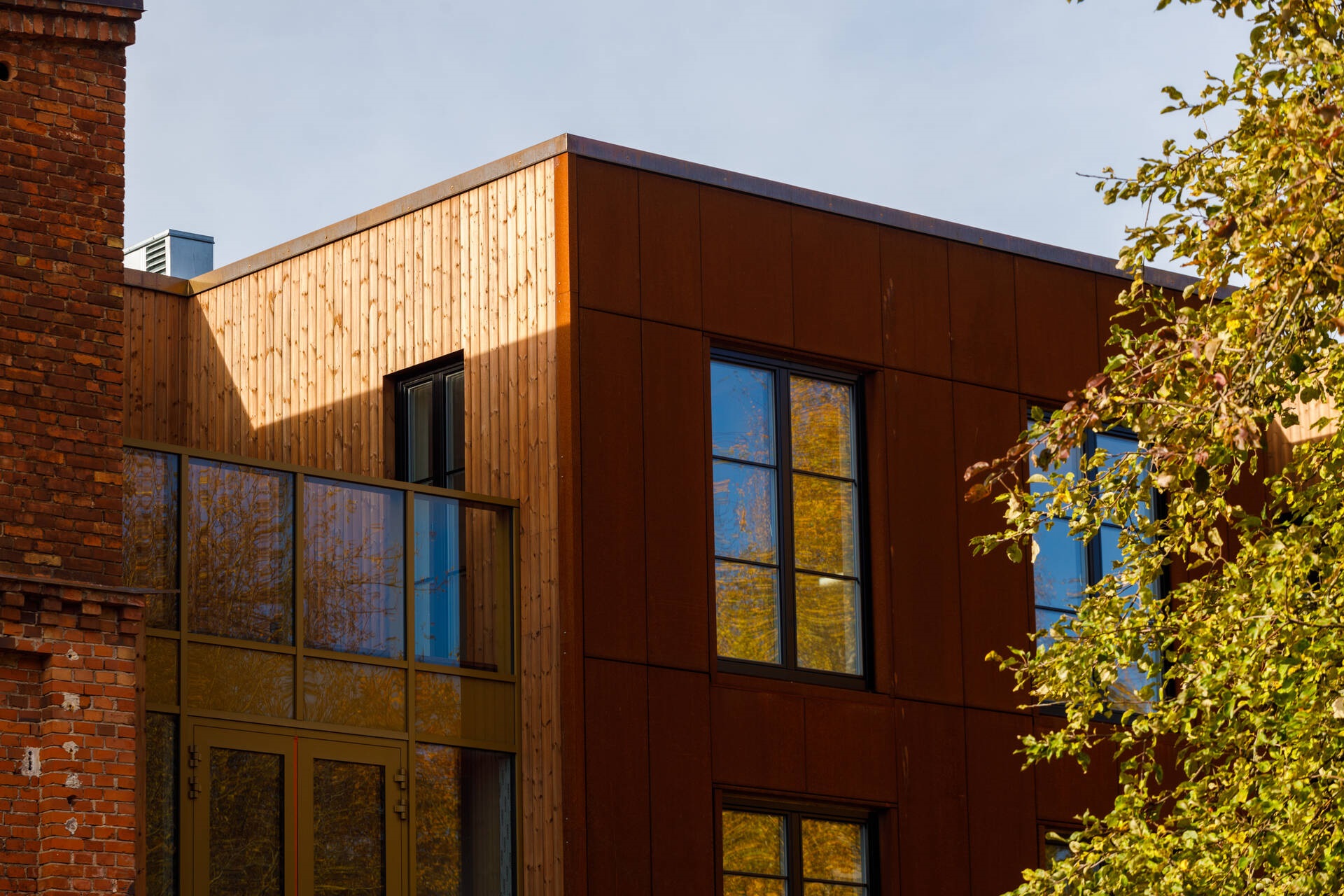
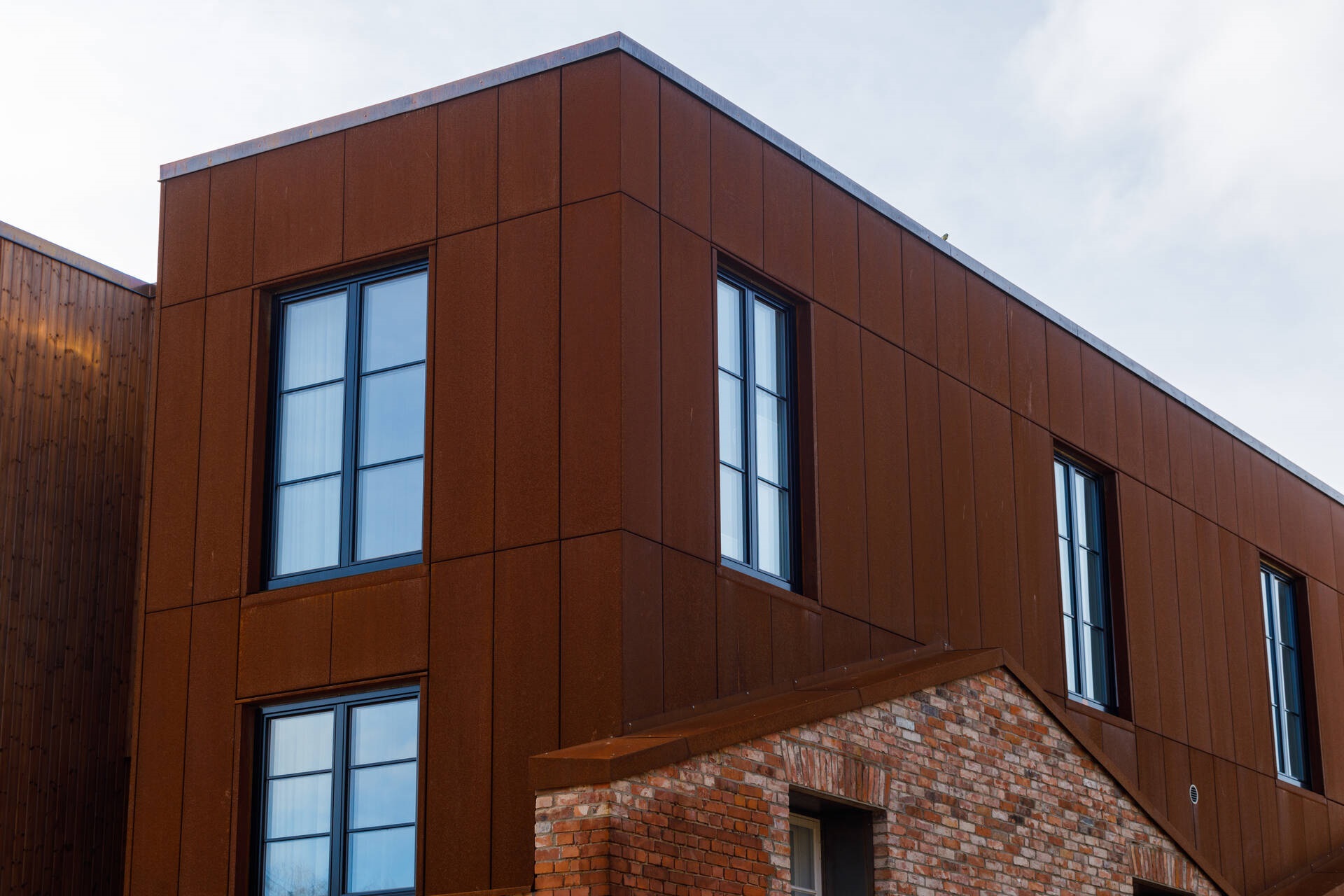
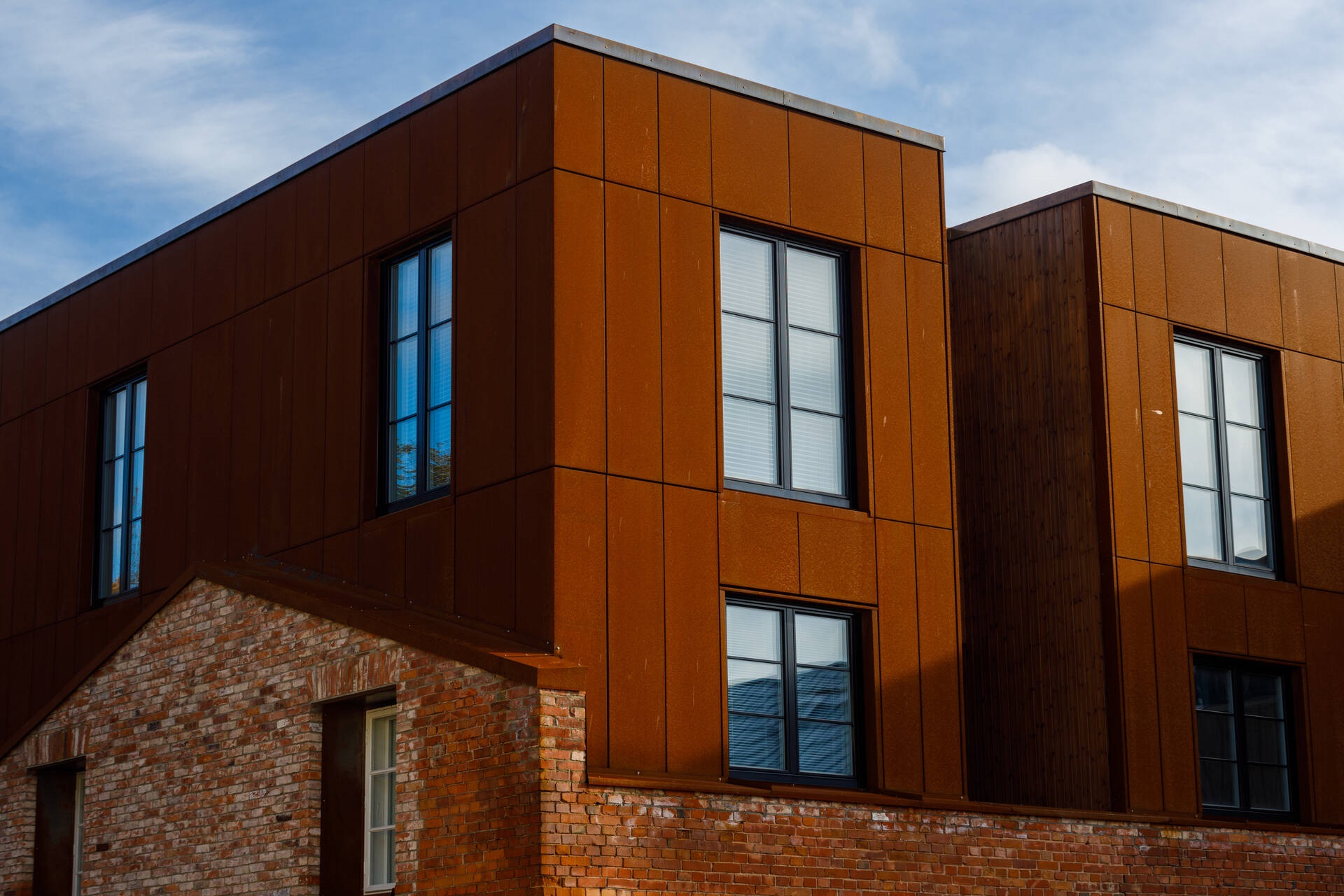
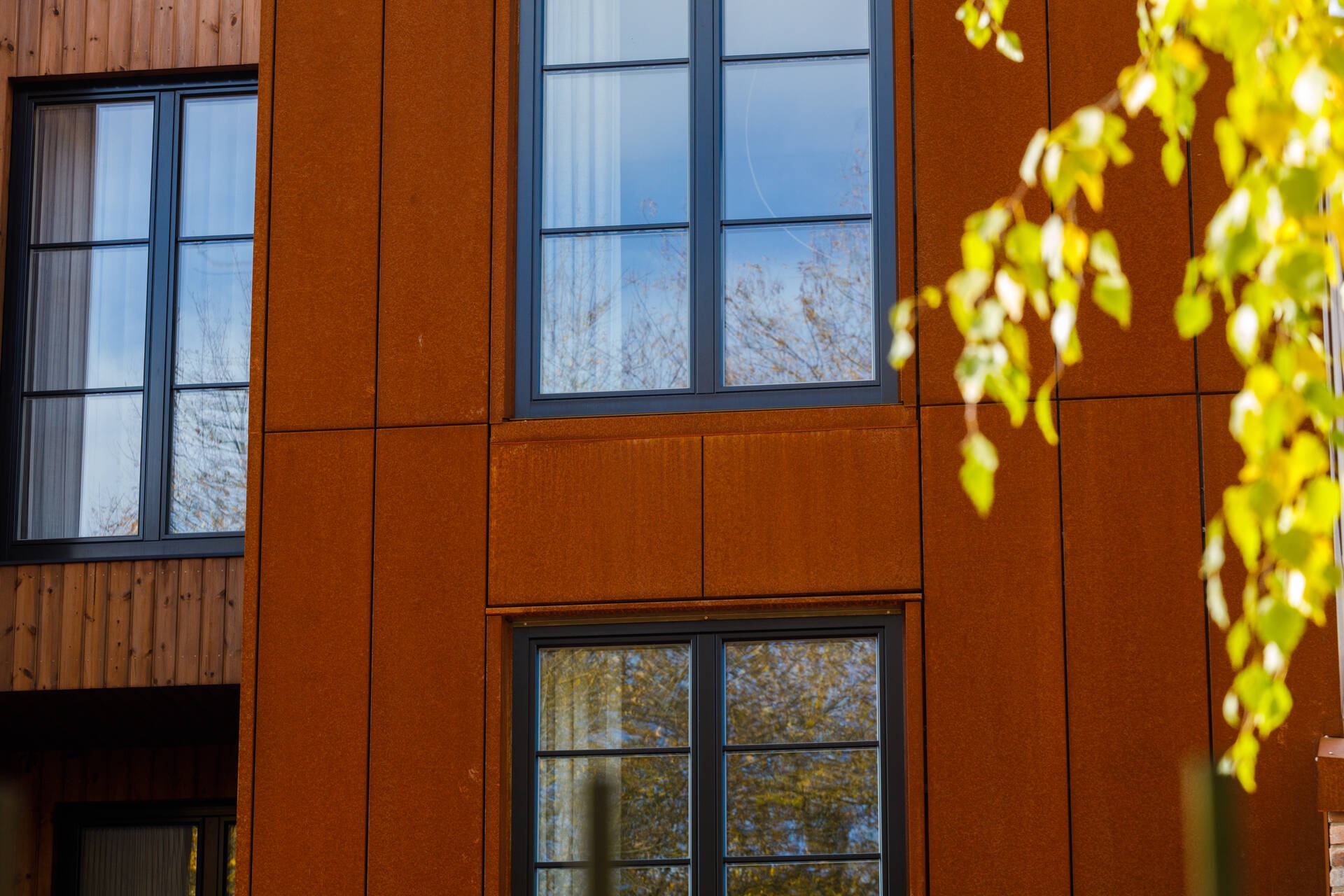
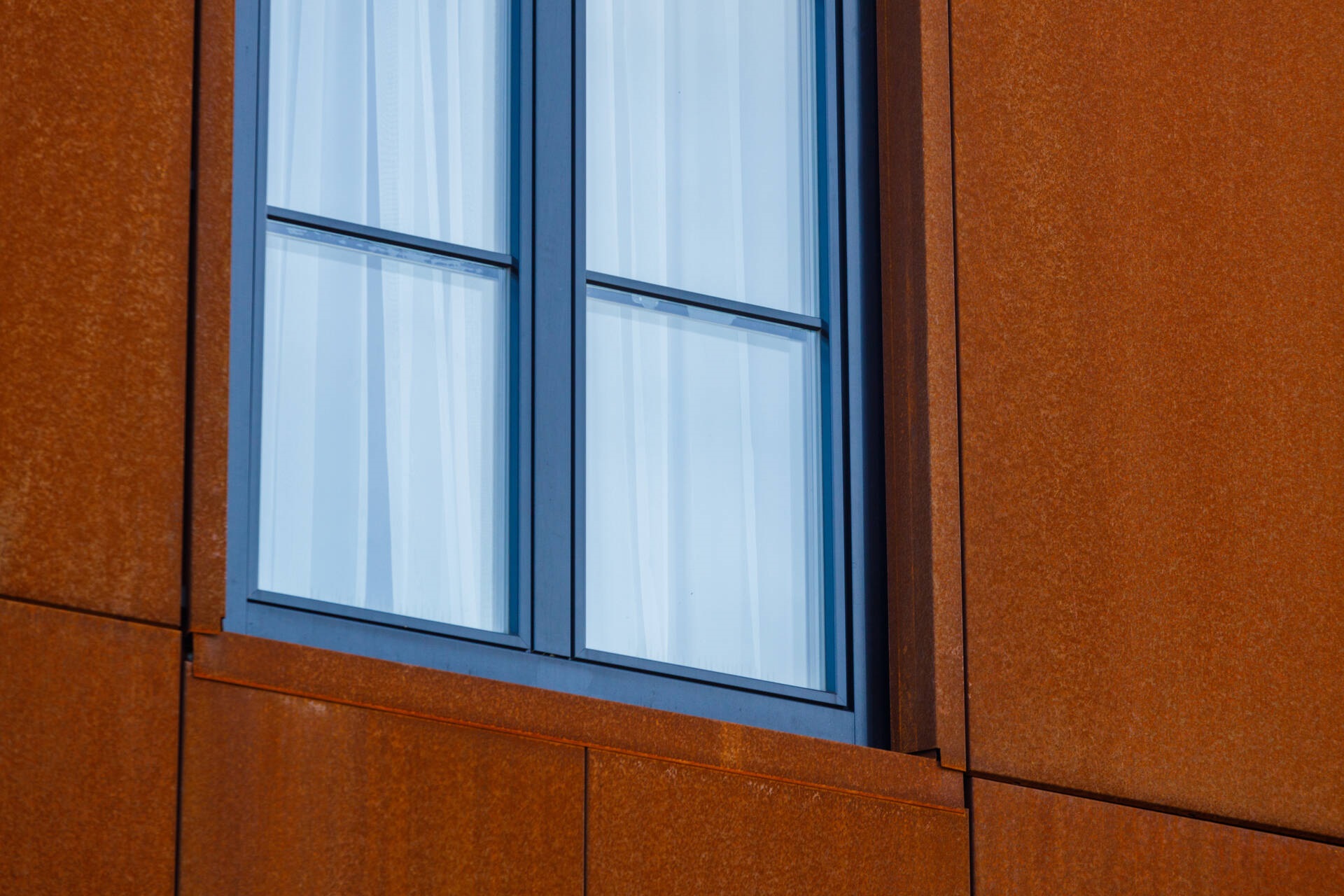
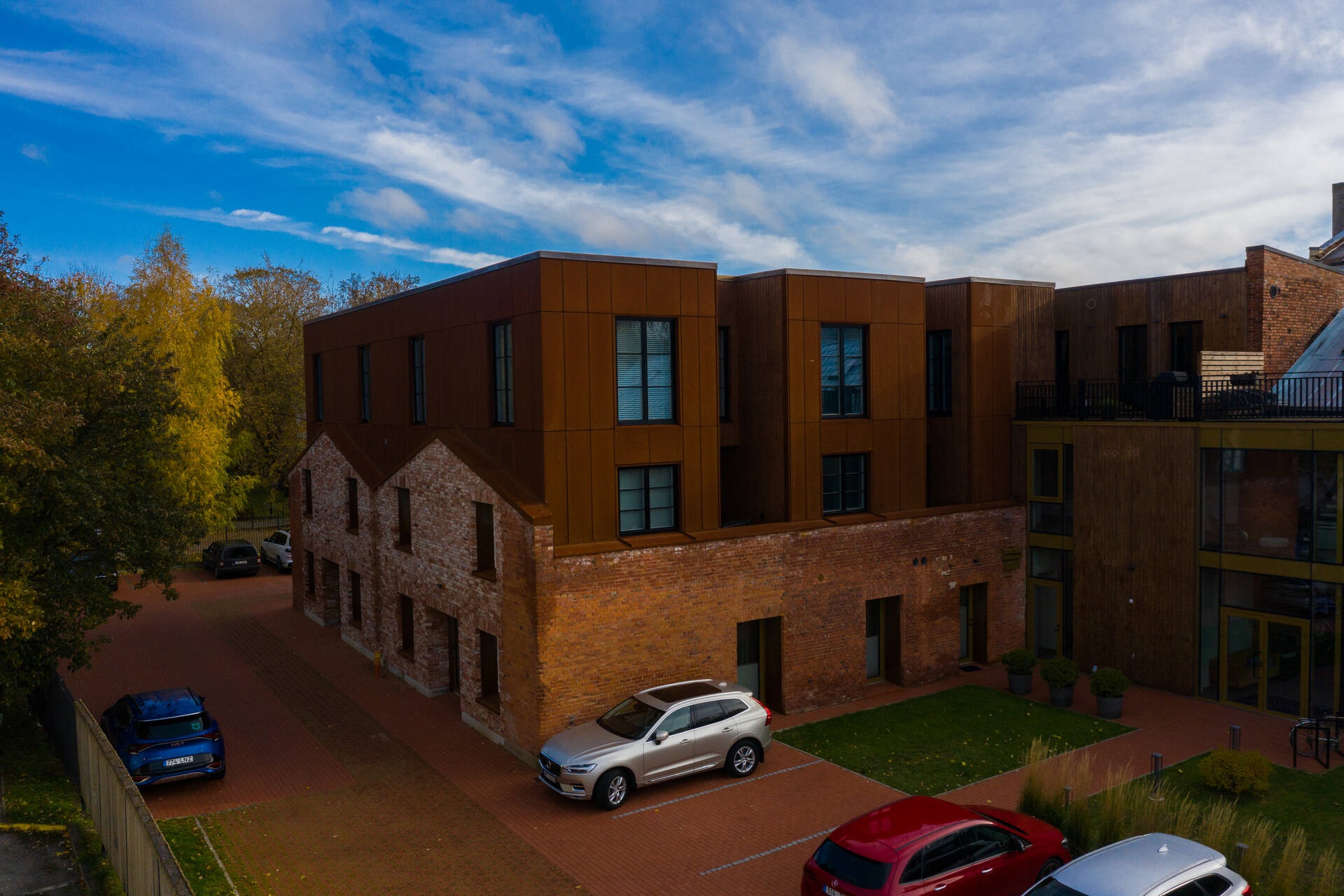
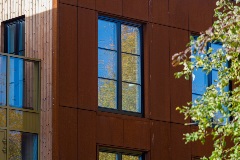
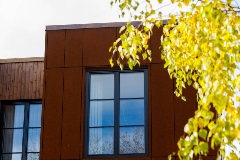
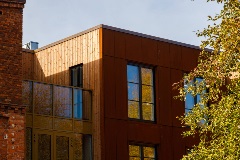
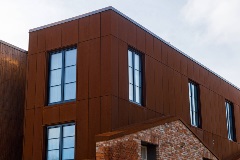
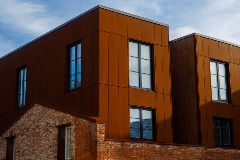
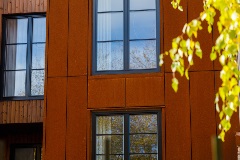
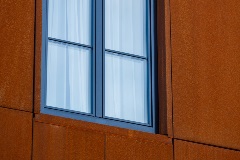
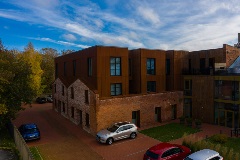
The mill building, designed and built in 1888, was converted into an apartment building. Harmony between the old and the new parts of the building was achieved by using Ruukki Liberta® Cor-Ten 800 rainscreen panels. The concealed fasteners enhance the large, clean and straight surfaces of the cassettes.
Related products
"In 1882, the property was purchased from the Tähtvere estate by merchant Georg Riik. In February 1885, F. Hübbe designed a two-storey wooden fence and in September of the same year a wooden shed connected to the north side of the fence. In 1888 C.Bescht designed a double stone mill building next to the fence. The façade of the building was embellished with a cornice between the windows, a cornice between the storeys, and a dentil cornice under the roof. Windows and doors were arched. The front façade was in two-tone brick, with a geometric pattern in black brick. A plaque with the owner's initials and the date of construction, G.G 1885, still survives above the door with its calabash panelling. During the Soviet era the mill belonged to the Tartu Bread Factory. (Source: Estonian National Heritage Board)
In 2021, the stone building was converted into an apartment building. The courtyard part of the building was extended due to the planning, and the exterior was covered with timber boarding and Liberta Cor-Ten 800 panels. 2021. The concealed fasteners highlight the large, straight surfaces of the cassettes, which, together with the vertical timber lining, give the courtyard part of the building a modern but historically appropriate look.
Ruukki supplied the site with a Cor-Ten® steel cladding materials kit, which included grooves, additional patches, screws, gaskets and approximately 200 m2 of Liberta Cor-Ten 800 rainscreen panels."