.tmb-250x190.jpg?sfvrsn=607438b5_1)




Accumulator tank — new landmark in Oslo, Norway
Related products
Partners
- Investor: Hafslund Celsio
- Architect: Arkitektene Astrup og Hellern AS
- Year: 2019-2022
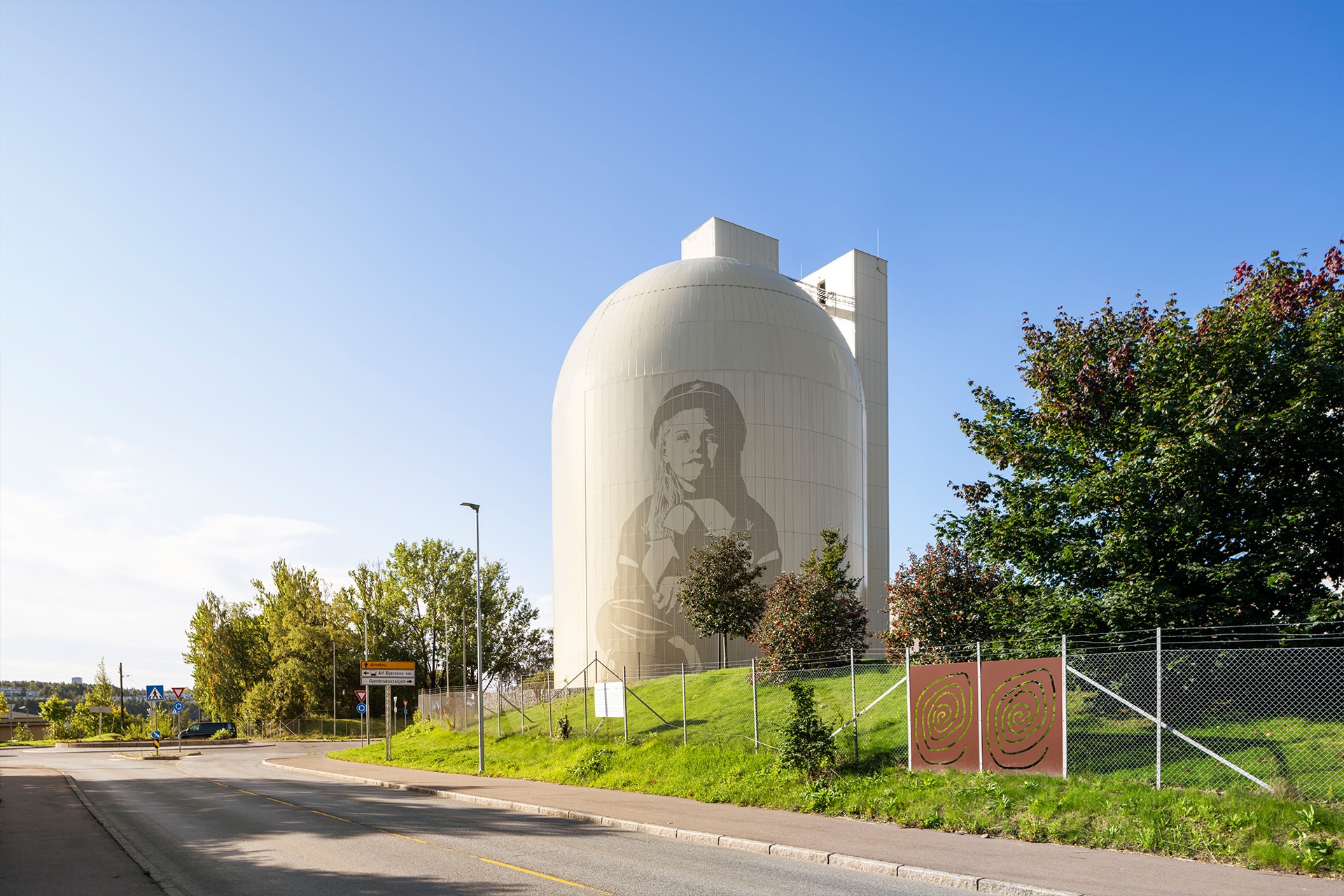
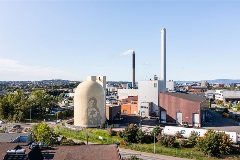
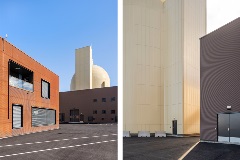
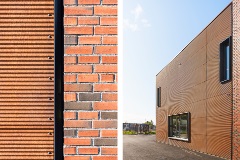
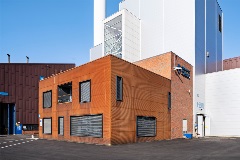
The building is, in fact, a giant accumulator tank and serves as a central component in the district heating operations of the client, Hafslund Celsio. The design of the facility was entrusted to architect Martin Bergsmark Vodde at Arkitektene Astrup og Helleren, one of Norway’s oldest architectural firms specializing in planning and designing industrial and commercial properties. The order from Hafslund Celsio comprised two parts: an office building and an accumulator tank with an accompanying pump house. The office building, clad in the Design COR-TEN® S7 sinus profile, was completed in 2019.
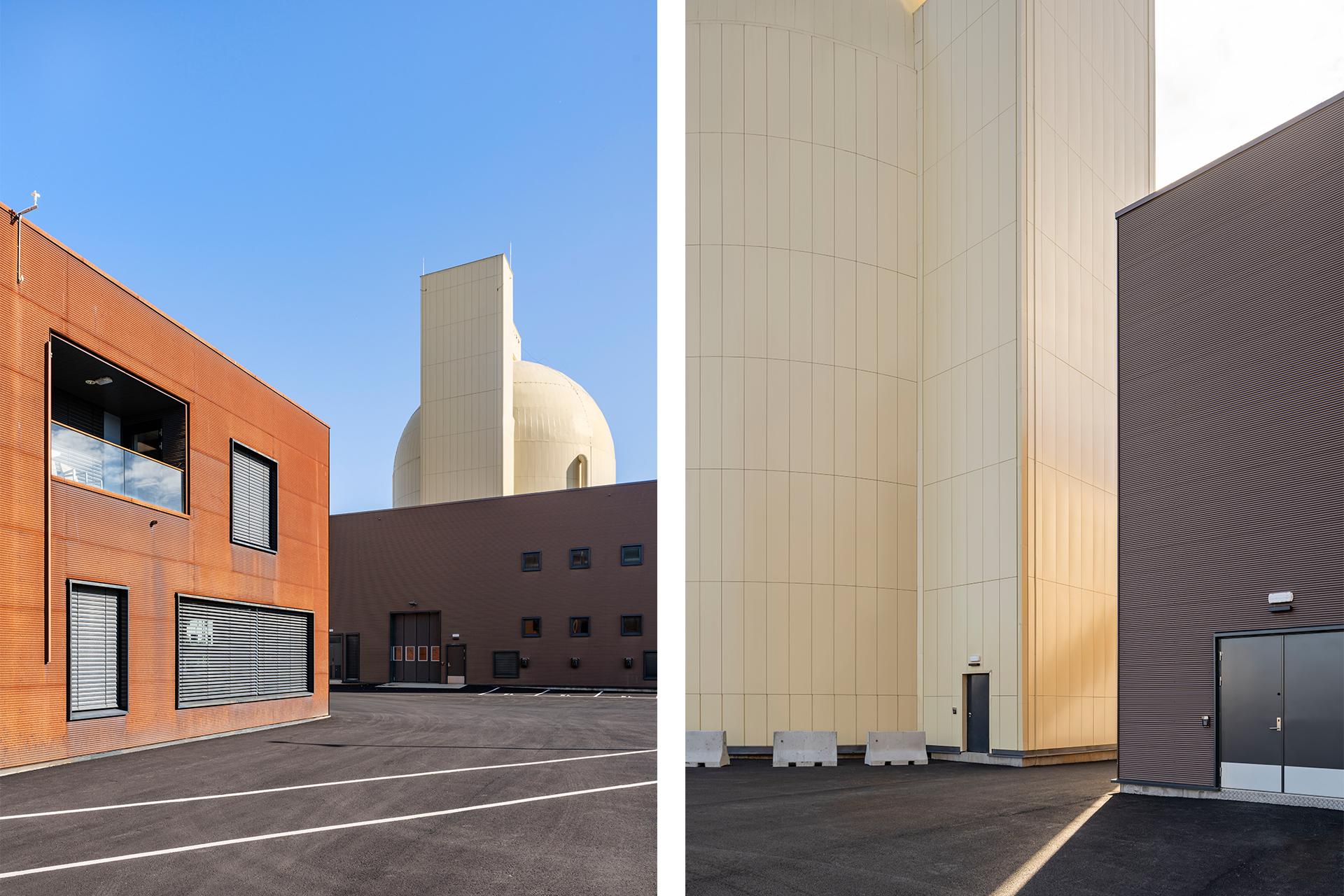
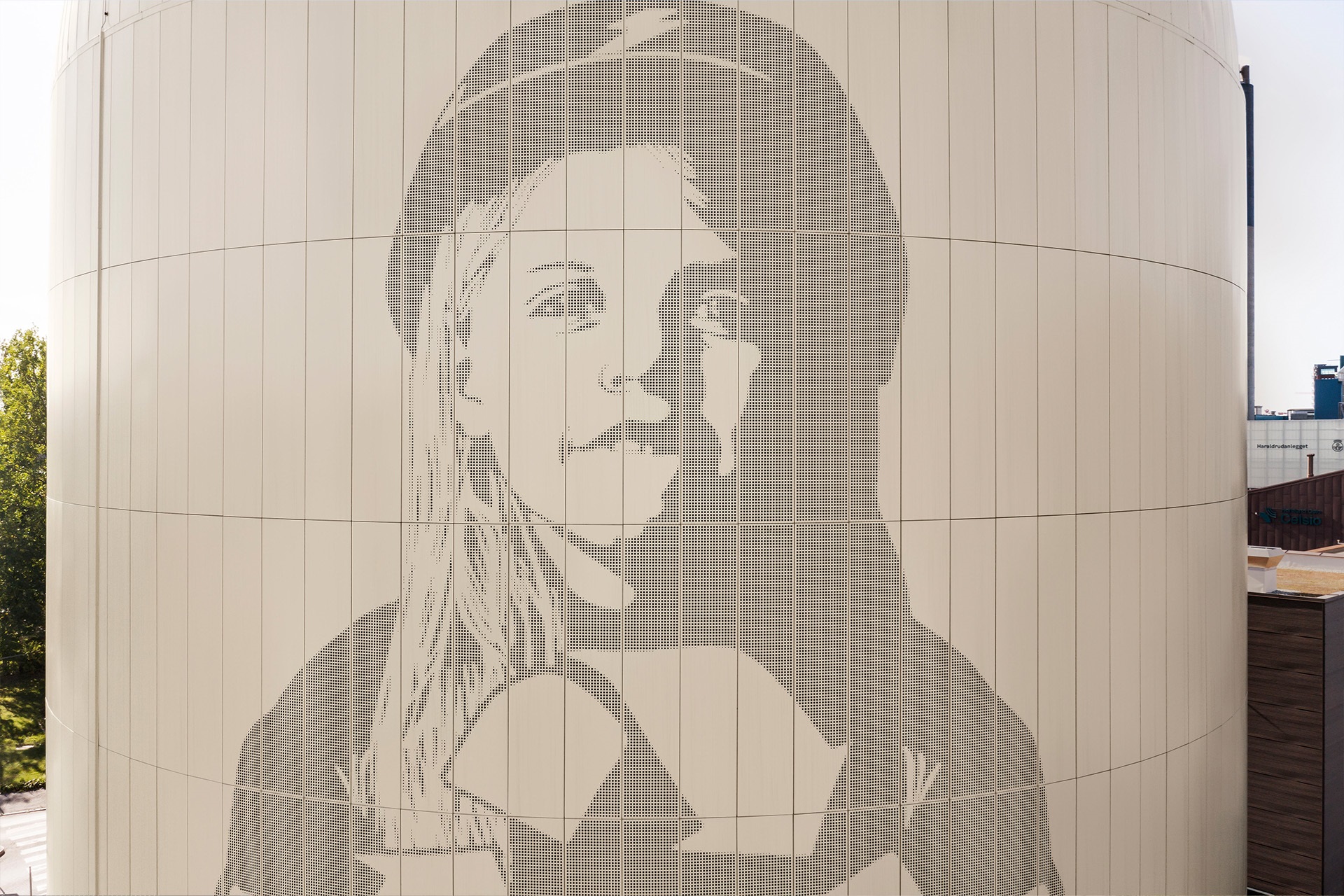
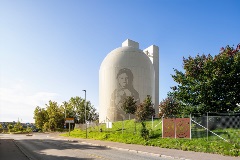
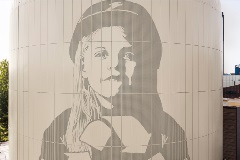
Subsequent to that, the design work on the accumulator tank and pump house commenced. According to Martin Bergsmark Vodde, there were strict aesthetic requirements for the design of the hot water tank, which were also stipulated by the municipality. An important reason for this is its exposed location in central Oslo, next to a heavily trafficked road and surrounded by residential buildings. Given the raw character of the surroundings, both the architect, Celsio, and the municipality wanted to create something beautiful that would add identity to the area. After evaluating various proposals, they chose to commission Pøbel, an anonymous artist known for his street art, to create an artwork for the facade.
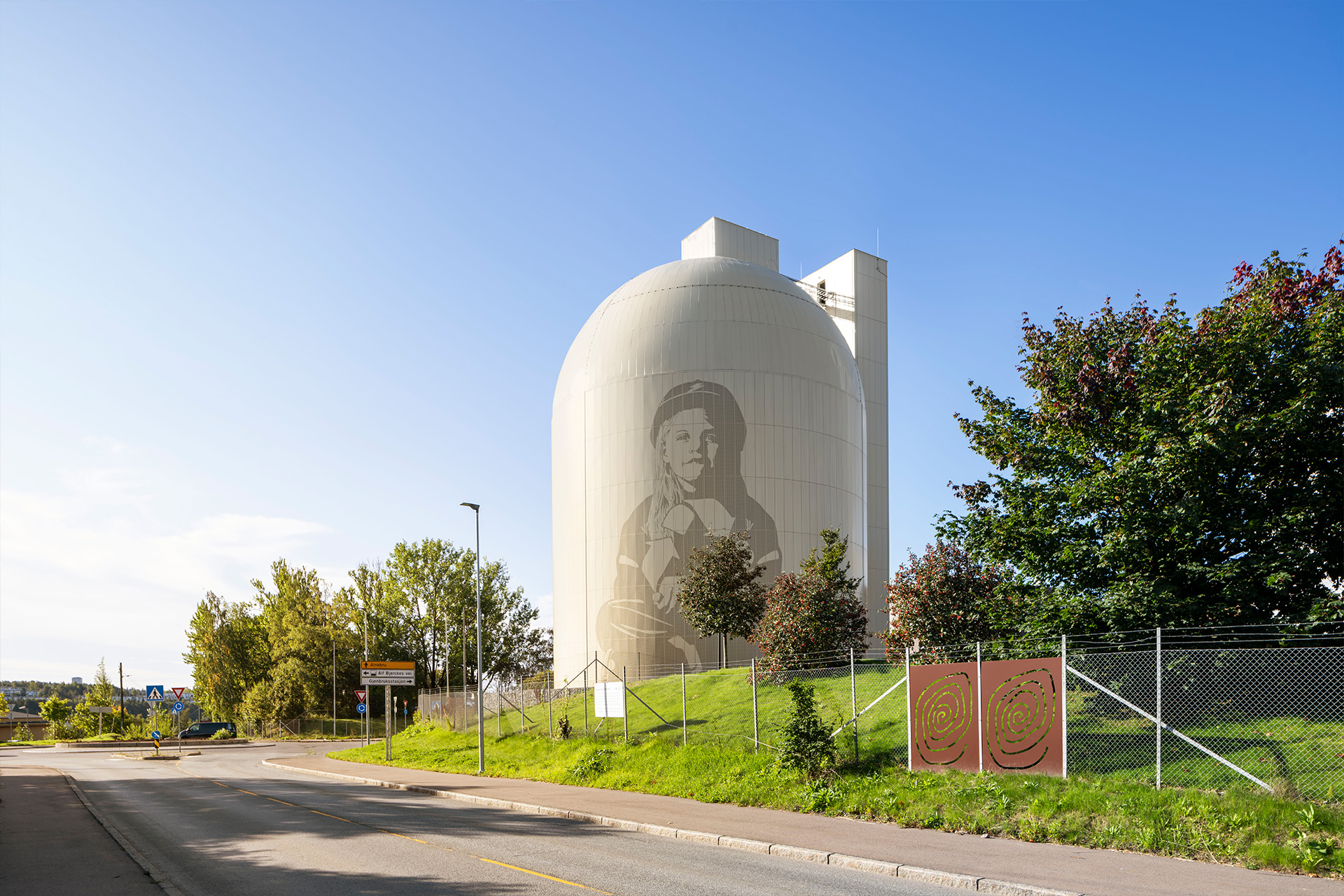
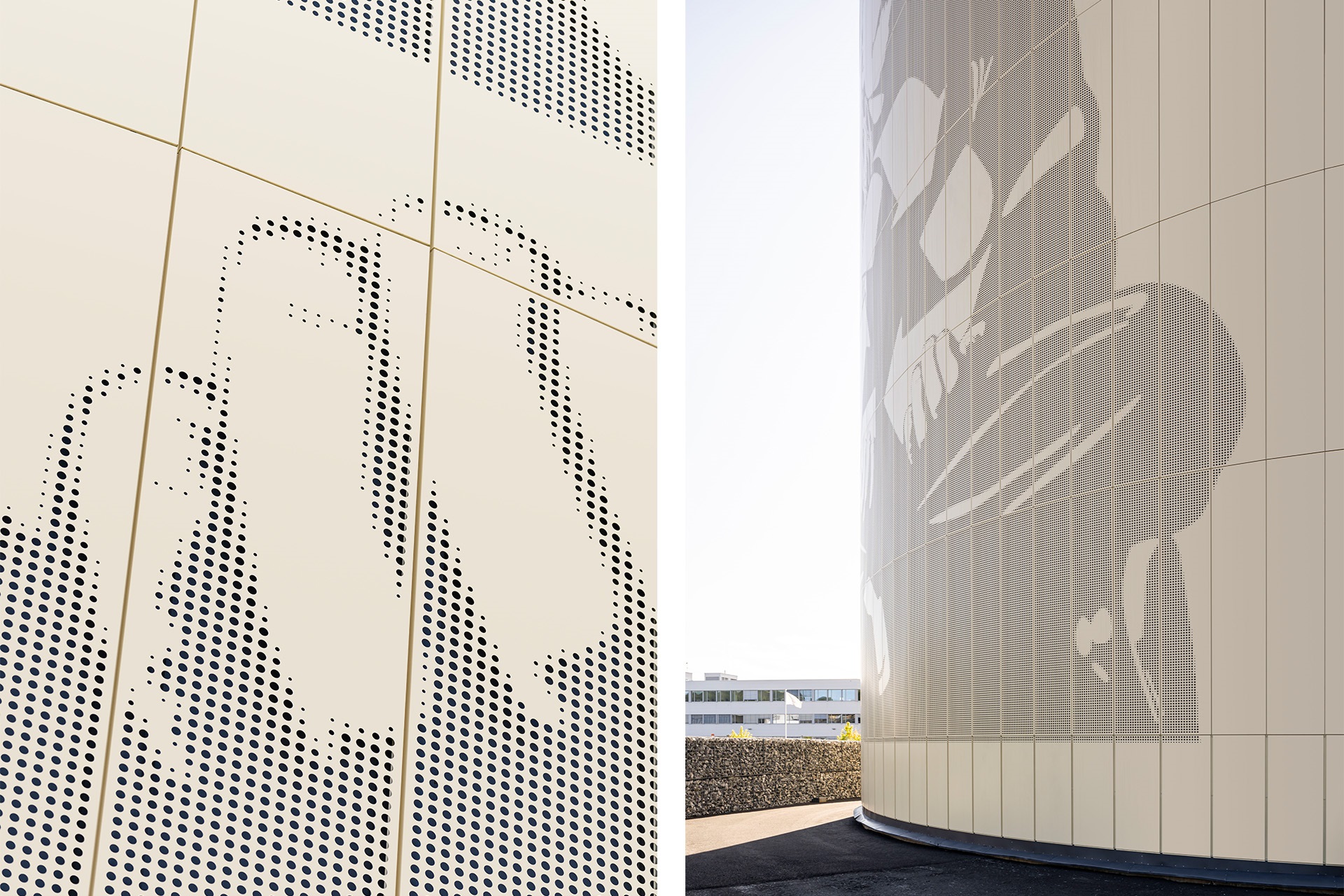
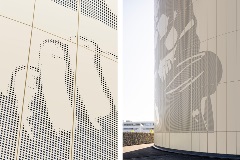
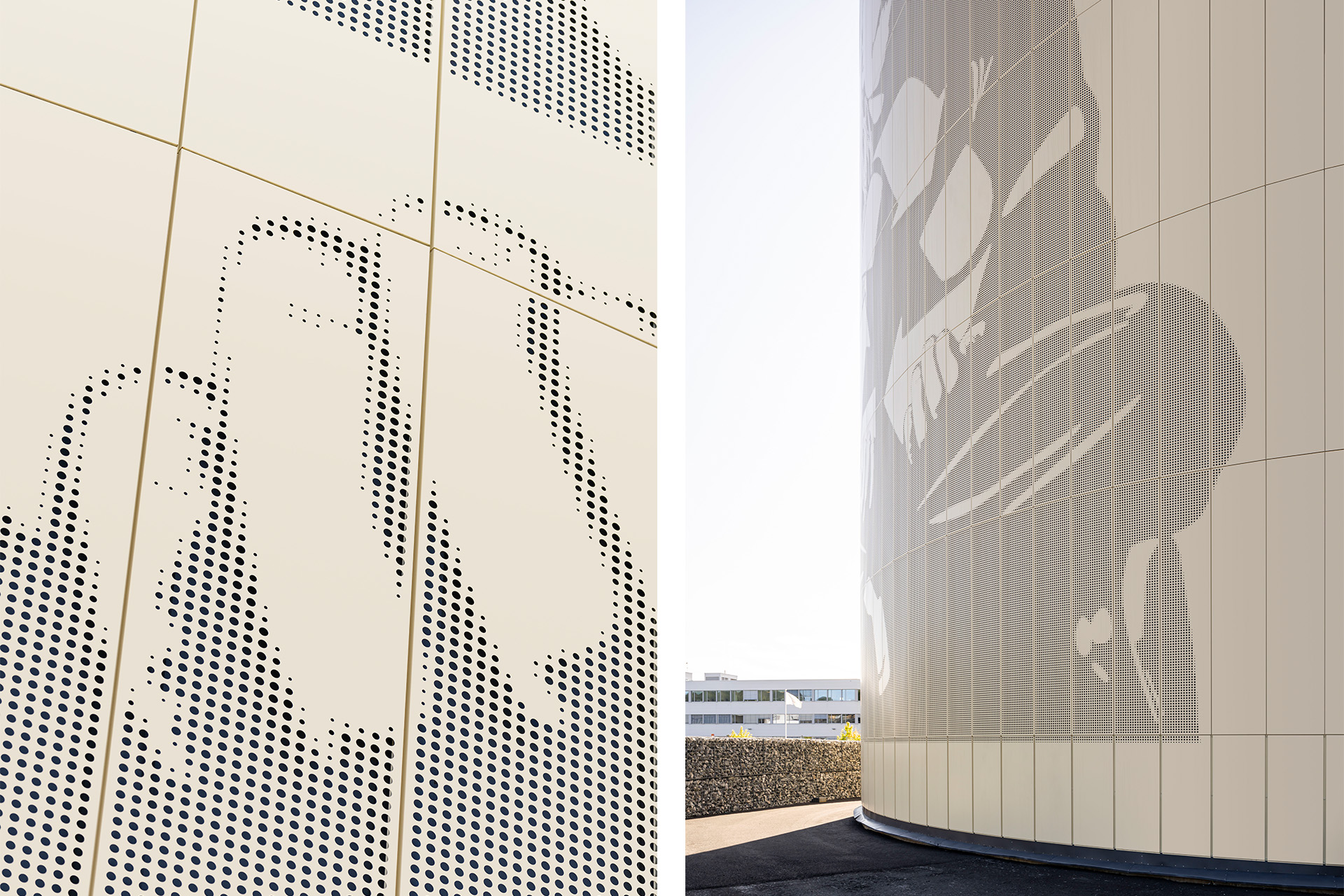
To realize the artwork on the large facade, several alternatives were assessed before a bold decision was made to represent it through perforations in the metal sheets of the rainscreen panels. The choice of material meant that the artist worked with both metal and perforation on a large scale for the first time, which required close collaboration with the architect and manufacturer Ruukki. Pøbel’s work was delivered as vectorized files, which were sent to Ruukki for production, where a perforation pattern with multiple hole sizes was created. Throughout the project, Ruukki supported the client by developing detailed suggestions and solutions. For the project, Ruukki provided installation instructions based on approved details and solutions from the client.
In the spring of 2023, the tank was inaugurated. This energy storage unit, with a capacity of more than eight million liters of hot water, is connected to Celsio’s 70-kilometer-long district heating network beneath Oslo's streets, which supplies heat to more than 200,000 people in the Norwegian capital.
Product
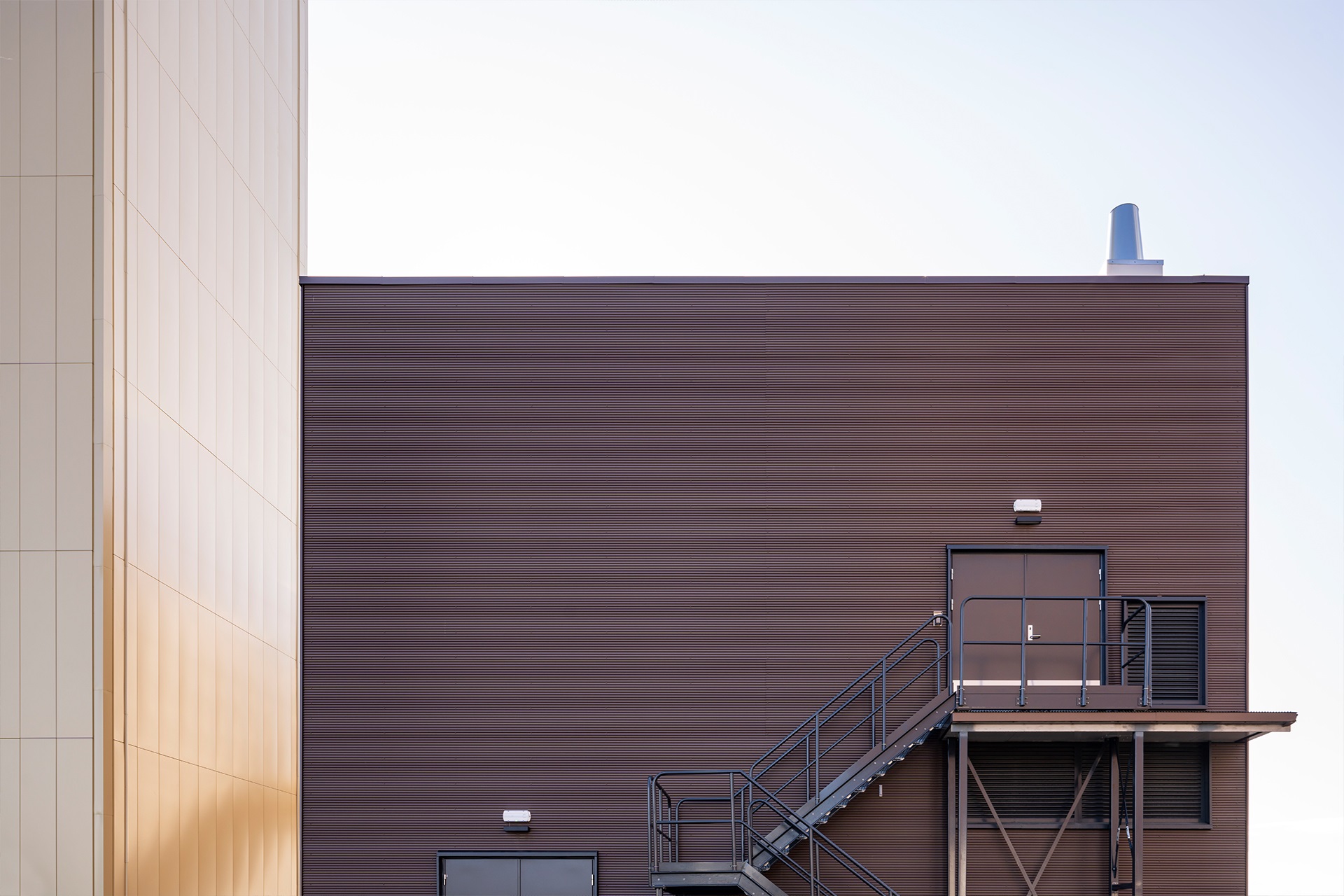
Accumulator tank: Liberta Elegant 550 with perforations in color RAL 1014. Cap profile, light beam, and load-bearing roof sheet T70, along with sandwich panel SPB200 WE for parts of the building.
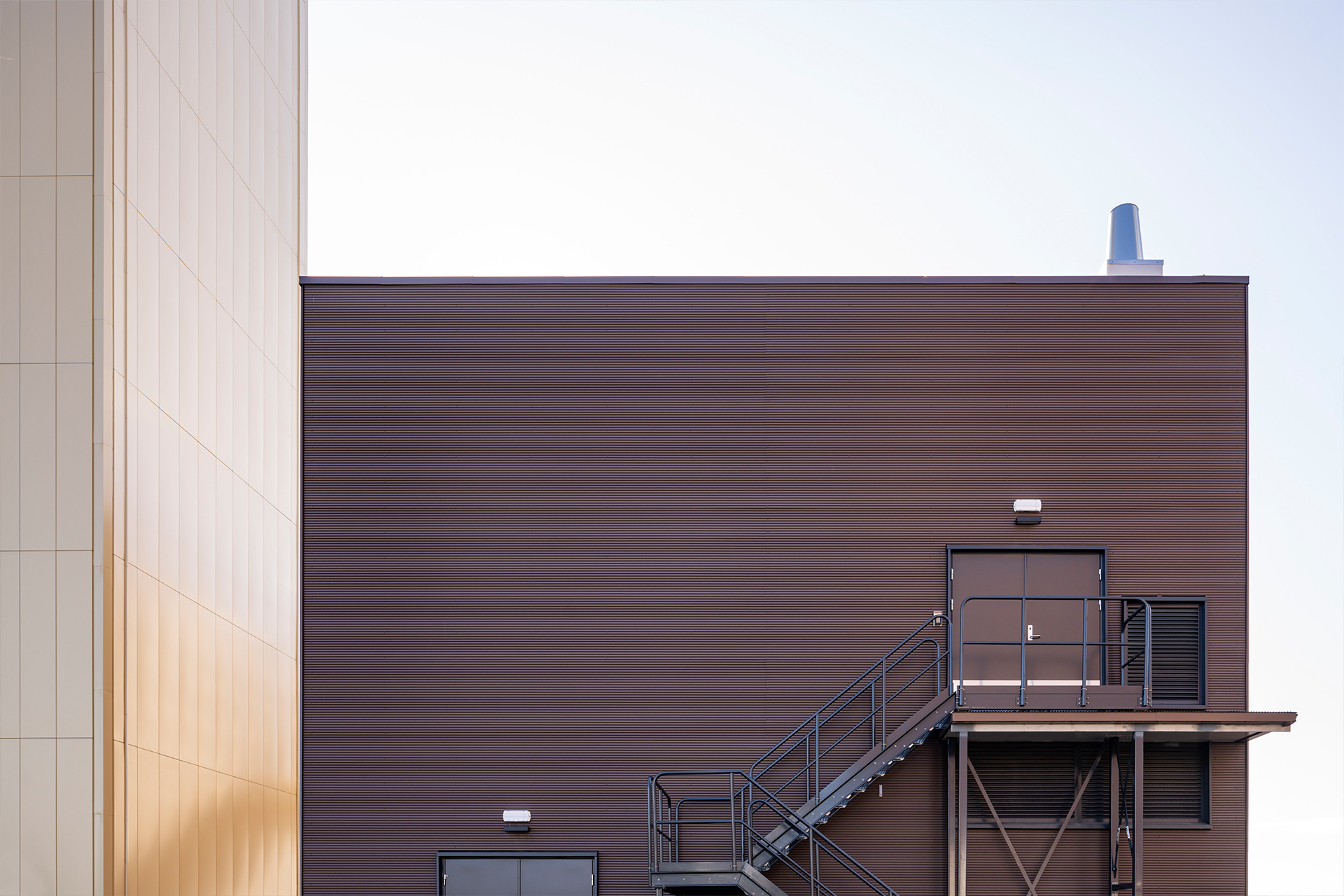
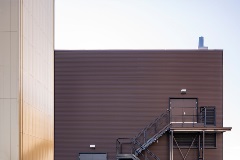
Pump house: Design Venice S10 in color RR31, sandwich panel SPB200 WE.
Office Building: Design COR-TEN® S7.
5 questions for architect Martin Bergsmark Vodde
What did you aim to achieve with the design of the accumulator tank? It was important for it to blend seamlessly with the other buildings in Celsio's district heating facility. It was also meant to add something new, providing both drivers and residents with something aesthetically pleasing to look at.
What challenges did the project present? Combining function with aesthetics and sustainability is always a challenge. In this project, it was particularly challenging to realize an artwork on the tank. It was also a new experience for all of us to work with rainscreen panels on a tank, as we were uncertain how they would behave on such a large, round volume. It was an exciting day when everything was finally assembled! The color choice for the accumulator tank was also challenging, as we needed to find a color that contrasted sufficiently with the perforation while harmonizing with its surroundings.
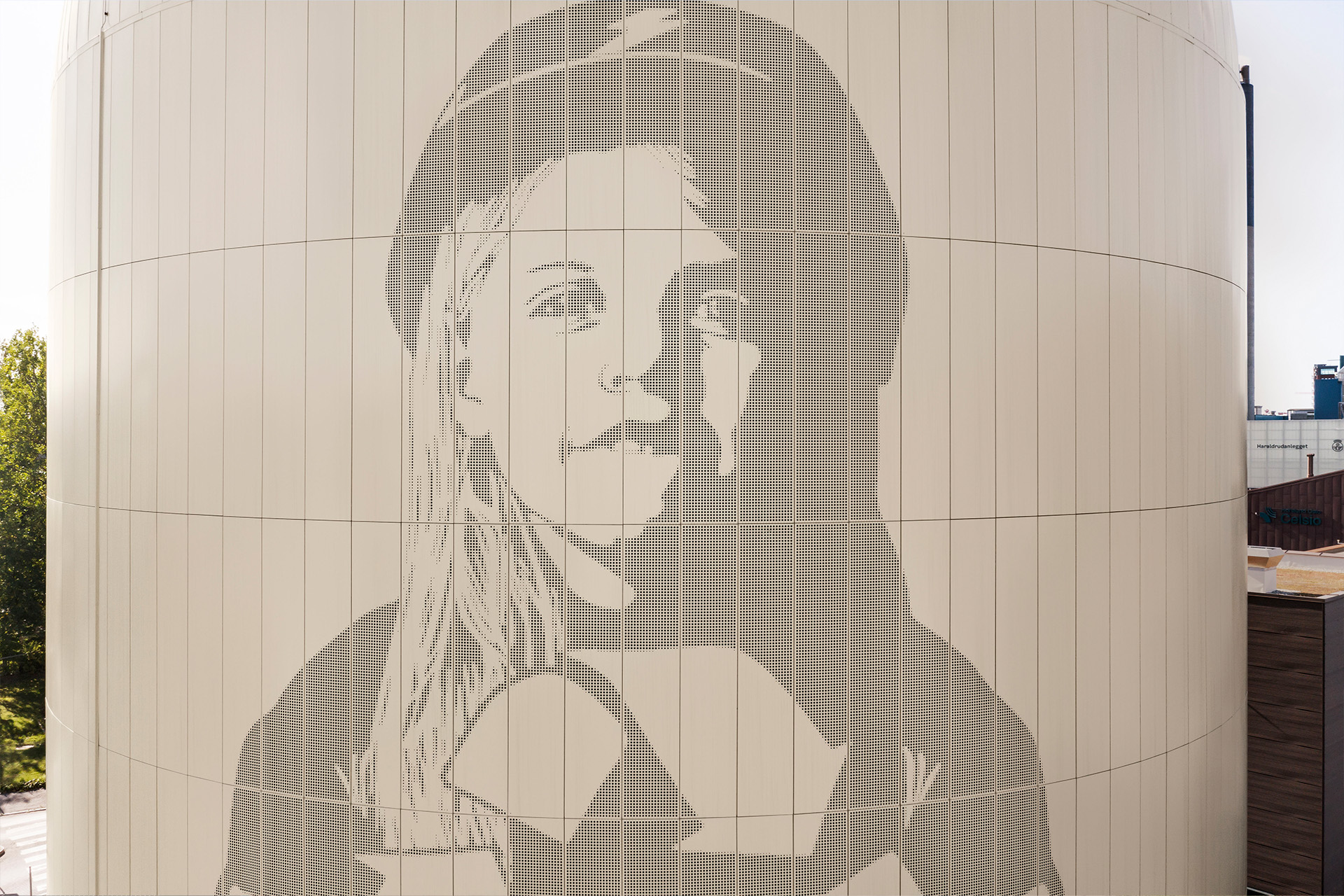
Why did you choose perforated panels for the facade? The choice came after discussions with Ruukki, who suggested perforated metal. I found it an exciting product to explore and felt it would meet all our criteria in terms of aesthetics and durability.
Why did you choose Ruukki as the manufacturer? We have collaborated on various projects, and Ruukki has proven to be a valuable partner with extensive expertise in steel-based building products. Additionally, they offer a wide range of quality products and flexibility in delivery.
How significant was sustainability in the project? The client, Celsio, is actively working to help both the city of Oslo and Norway meet climate targets, making sustainability a priority. Additionally, there are increasing regulatory requirements for sustainability in all new buildings, especially from the EU.